Anon Publishing vs Anon Critique
Managing conflicts of interest

There has been ample drama on X over Anon accounts on both sides of any given scientific debate. This article attempts to address this in the context of verification and bias… with a few concepts from the cryptography field that can help address these problems. It will also explore a few examples where Anon publishing is a required feature of any society currently engaged in censorship and Orwellian activity related to the freedom of speech and freedom of inquiry.
Science is a not a conclusion, nor is it ever “settled”. Science is a verb which starts with falsifying a hypothesis. The seed of science is a question and attempting to falsify or confirm the question. Thus, when you see PubSmear attacking hypothesis papers (Hazan et al), under the banner of “Scientific Integrity” you have an anti-science mob masquerading as the saviors of science.
Currently, most Peer Review is single blinded. The authors are known and the reviewers Anon. However, reviewers are not random. They are selected by an Oracle or Journal editorial team as being experts in the field. While conflict of interest screening is performed, it’s often lackluster. In stark contrast to this, post publication review platforms like PubSmear are often non-experts in the field with zero conflict of interest screening. This asymmetry undermines progress in validating work.
Much of the consternation over PubSmear stems from multiple asymmetries of the attacks.
Authors spend an enormous amount of time and money getting their research published with their reputations on the table, methods disclosed, and conflicts revealed. Yet an Anon troll on PubSmear can slander the work with zero methods section, conflict review or reputational risk if proven to be sloppy or even fraudulent.
There are many examples of complaints from PubSmear being erroneous themselves. It has also become a platform to sell PubSmear software like ImageTwin to Journals. The CEO of this software company is known to frequently comment on papers on PubSmear to pump the validity of their tool. No False Positive or False Negative rate is published for this software and its not open source. Follow Jurassic Carl for a deeper dive on this. ScienceGuardians has documented much of the fallacious activity on the platform.
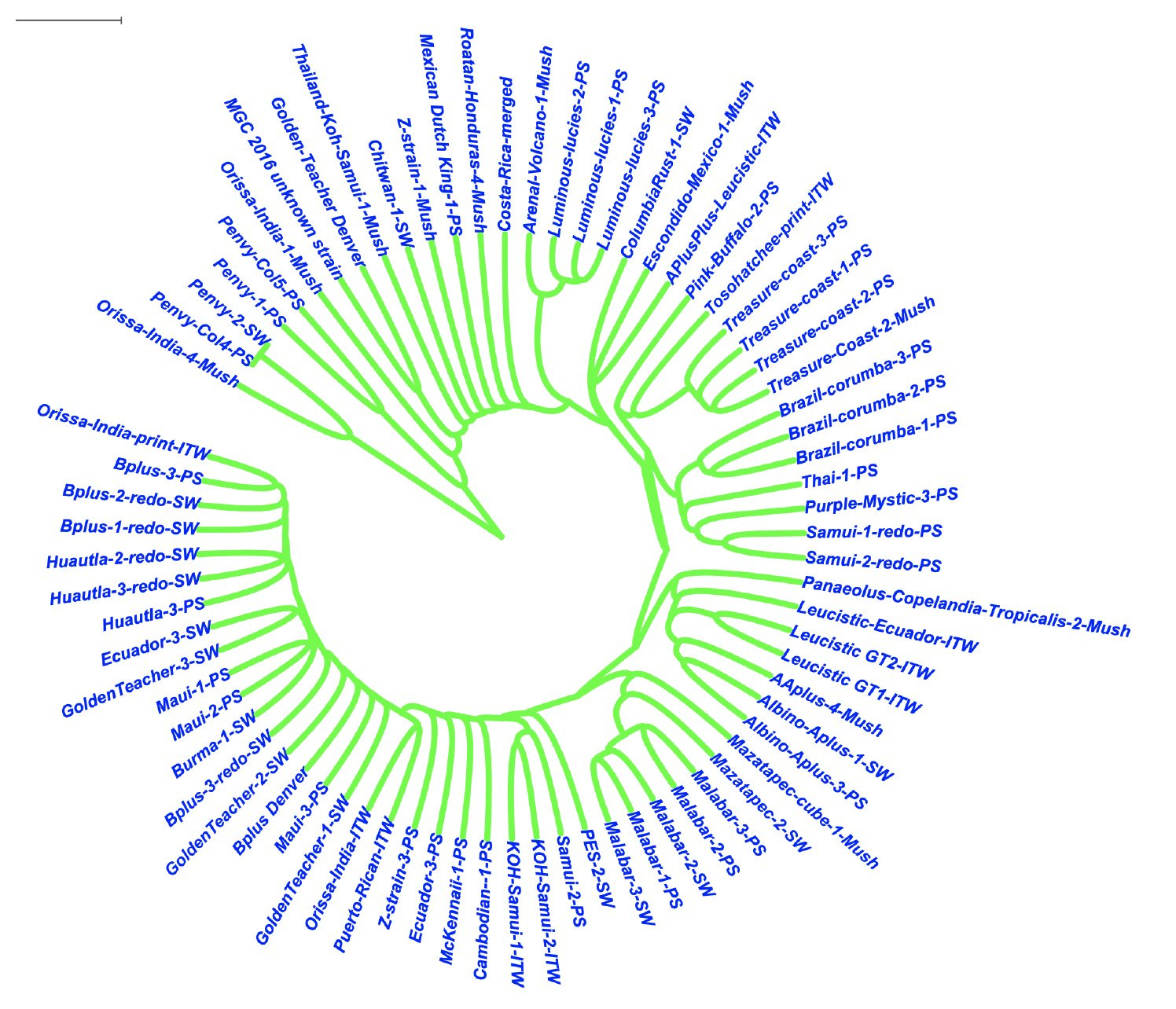
There are people in PubSmear known to have multiple aliases. When one alias begins to acquire a reputation for slop, they can launder their future complaints through a second, third and forth alias, thus enabling a Sybil attack on the work.
In any system that has high energy required for publication but little to no energy to retract, science that goes against the narrative or incumbent economic interests will not survive.
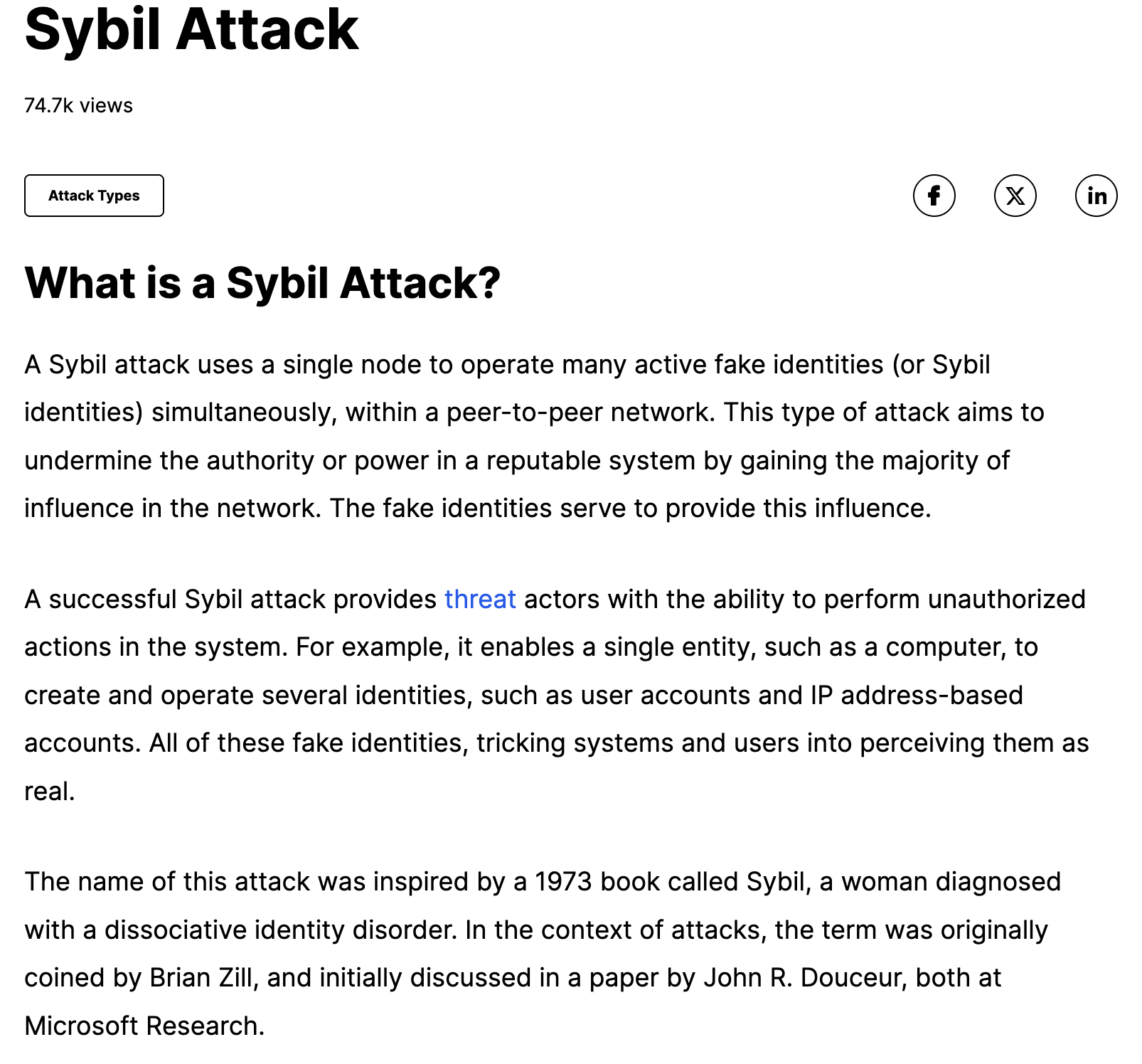
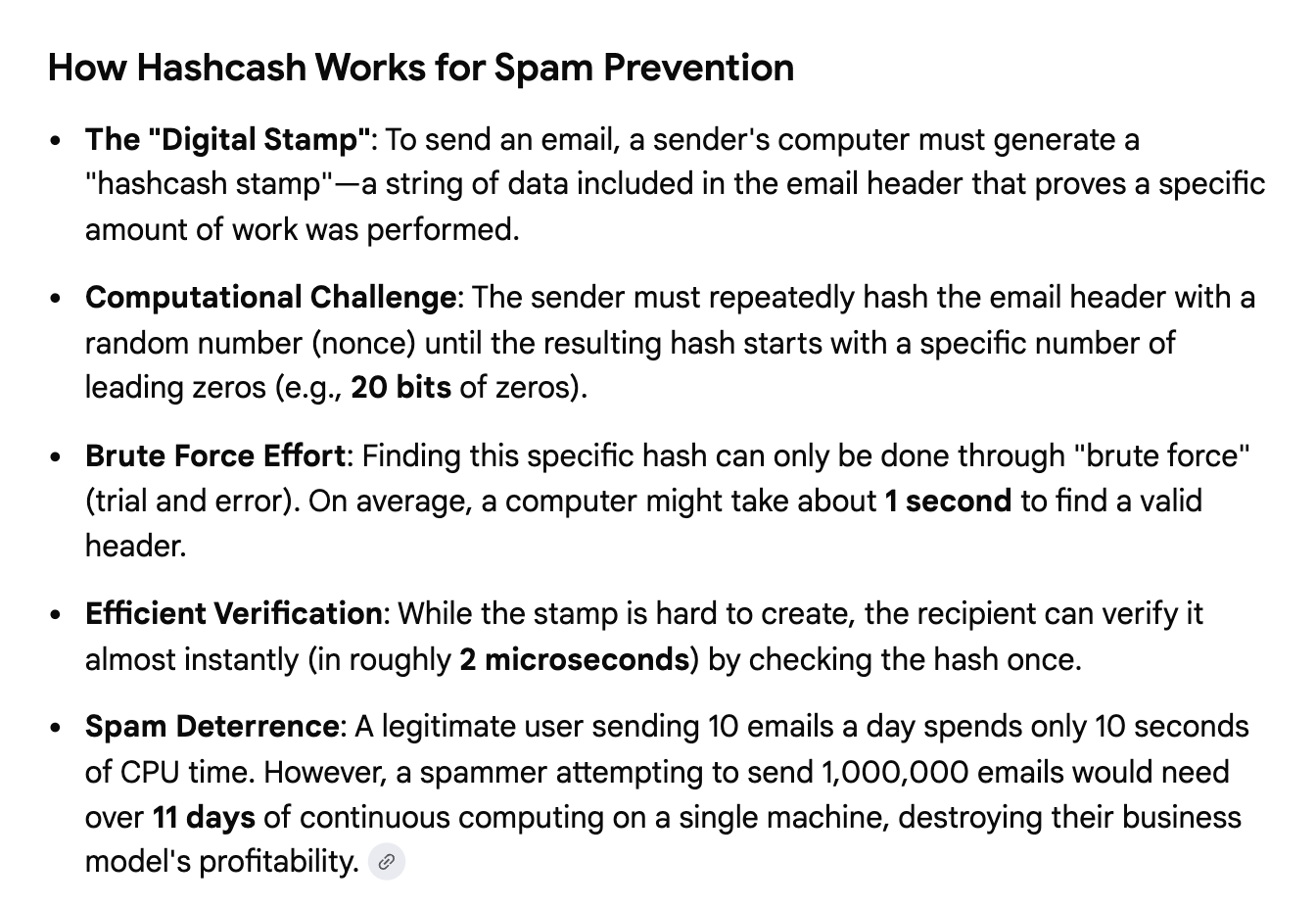
This is an information theory topic that relates to email and spam on the internet. To the extent email is free, spam can outnumber signal. Adam Back addressed this problem in his famous HashCash invention where some CPU time was required to hash an email. This is a hard to compute, but easy to verify algorithm.
Sending one email would cost 1 second of CPU to compute and a microsecond to verify…. but sending 100,000 emails would come at a cost. These principles are embedded into Bitcoins hashing functions and cited in Satoshi Nakamoto’s seminal work on Bitcoin.
What we have in PubSmear is the opposite of this. The cost to publish the paper is high and the cost to retract or eliminate this block of work is near-nothing.
This is one reason, most seasoned scientists do not place any faith in a single peer review process but instead look for independent replication from people with different financial conflicts before they consider a piece of work confirmed. They also know to ignore retractions if the editors have illogical reasons for doing such.
Naturally, PubSmear-like organizations attract commercial interests like a moth to a flame as they are ideal hitmen for hire to keep the narrative of smoking being safe, vaccines being glorious and ivermectin being horse dewormer. PubSmear defended Proximal Origins and Surgisphere while attacking generic drug use like HCQ/Didier Raoult, and IVM/Hazan, Kory, McCullough, Rose etc. Their members cheered on locking down your children and masking todlers and most viciously attack papers related to Covid Vaccine risks. Some members are notorious for using AI fabrications of admittedly erroneous reports to Journals to promote retraction. Others even use their mobs power as a vindictive threat against their perceived ‘Anti-vaxxer’ opponents.
This is one reason the moniker “Pick up a pipette or STFU” lands. The original work is always more work to pioneer but less cost to validate. Unless you are actively replicating the methods, your critiques are usually superficial with minimal skin in the game.
At the same time Anon authors have contributed greatly to the world but they are not allowed to publish in todays academic world. This is the paradox of the current publishing system. They will not allow anon submission but they will accept anon criticism. This is in a world where many journals are paradoxically experimenting with double blind review to avoid vendetta based reviews and academic chicanery.
You may be skeptical of Anon contributions to science but I merely need to point you to Satoshi Nakamoto and Bitcoin to prove the point. You may not be a bitcoiner, but you cannot deny the fact that it became a $2T asset in 15 years and outpaced the internet, Google, NVIDIA and Next Gen sequencing in terms of its growth rate. It has no CEO, no marketing budget and is entirely an organic project that spread virally from a single Whitepaper published by an Anon author on 10.31.2009.
In my mind, this might be the single most important invention for human flourishing and peace around the world. That is a longer discussion I will reserve for a future article, but it does beg the question that if our formal Scientific process for publishing can’t capture this then it is unfit to exist.
This asymmetry is against evolutionary principles.
DNA has a similar proof of work system as HashCash and Bitcoin. In order for you to replicate DNA, you must consume dATP. This isn’t some indirect energy consumption. The fuel of the cell (ATP) is literally written into the code of DNA and RNA (A in A,T,C,G is dATP). In other words, you need to consume energy to propagate information worth transmitting through time. Without this, genetic spam emerges and signal from noise has no selective force.
Hits Home
I experienced this myself back in 2016. I sequenced the genome of Psilocybe cubensis otherwise known as the magic mushroom. This fungi expresses Psilocybin, which has recently been given break through designation by the FDA for drug resistant depression.
It is also one of the most promising compounds for expanding cellular lifespan.
Despite this, the fruiting bodies of this were illegal at the time. Fortunately, spores and DNA were not illegal leaving a small loop hole to get this done in a legal grey zone.
At the time, my father was fighting prostate cancer. We had sequenced his tumors and found BRAF-K601E variants in the tumors. These called for AKT1 inhibitors. None existed. We could experiment with some small N number trials of new drugs or look outside the permission slipped drugs.
Fortunately Cannabinoids are potent AKT1 inhibitors and we soon found an Ethanol extraction of a 1:1 CBD:THC Jamaican Lion cultivar that his Tumors responded to. His PSA dropped from 150→6 in a few months and he began to recover.
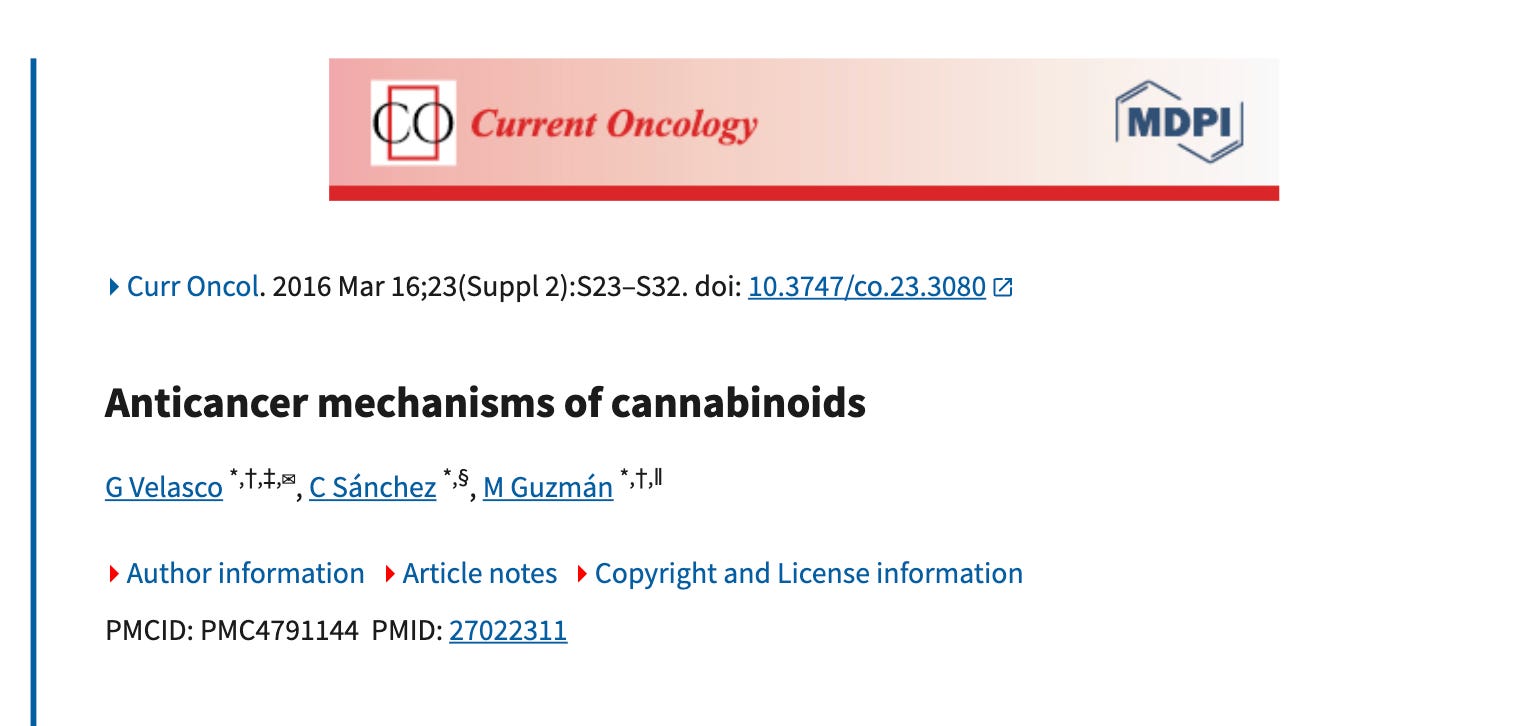
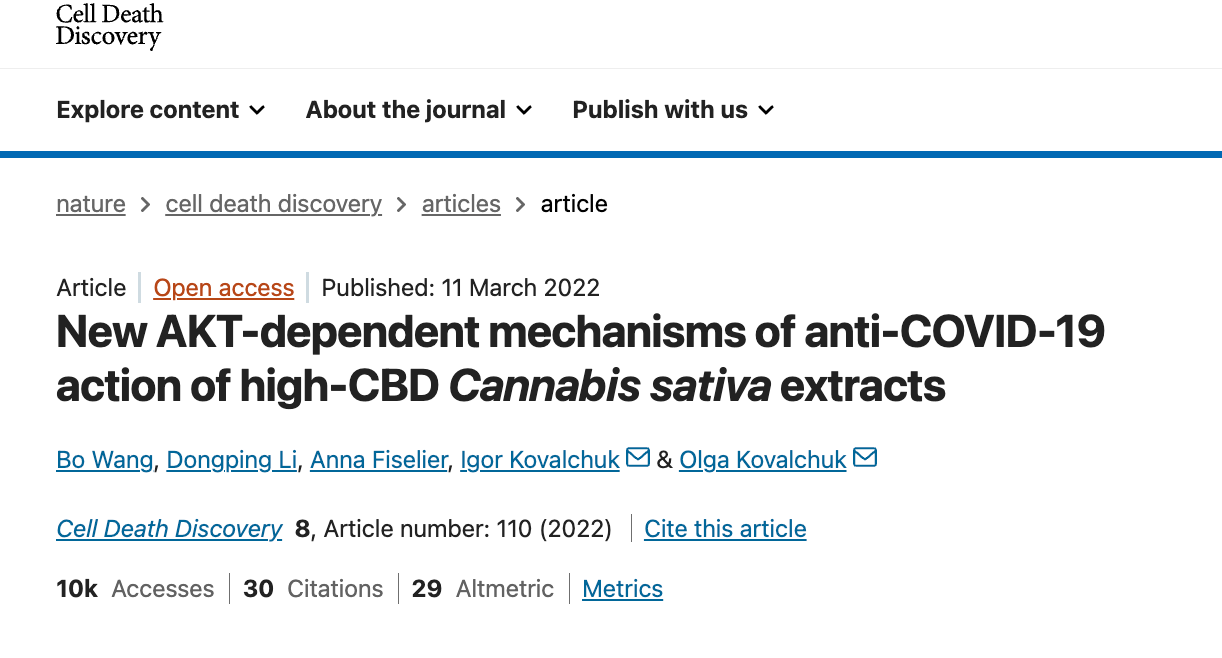
This AKT1 pathway also plays a role in cannabinoids and C19
But I was exposed. The medical cannabis markets in Massachusetts at the time were poorly regulated. Aspergillus contamination and pesticide contamination were common in the dispensary system. I knew enough about the intricacies of that early market, that I couldn’t trust it. I had to grow this strain in my basement and perform all the ethanol extraction and QC myself.
Publishing the Psilocybe genome with my name on it, at that time, could get me a visit from the authorities and shut down my fathers access to a therapy that was working.
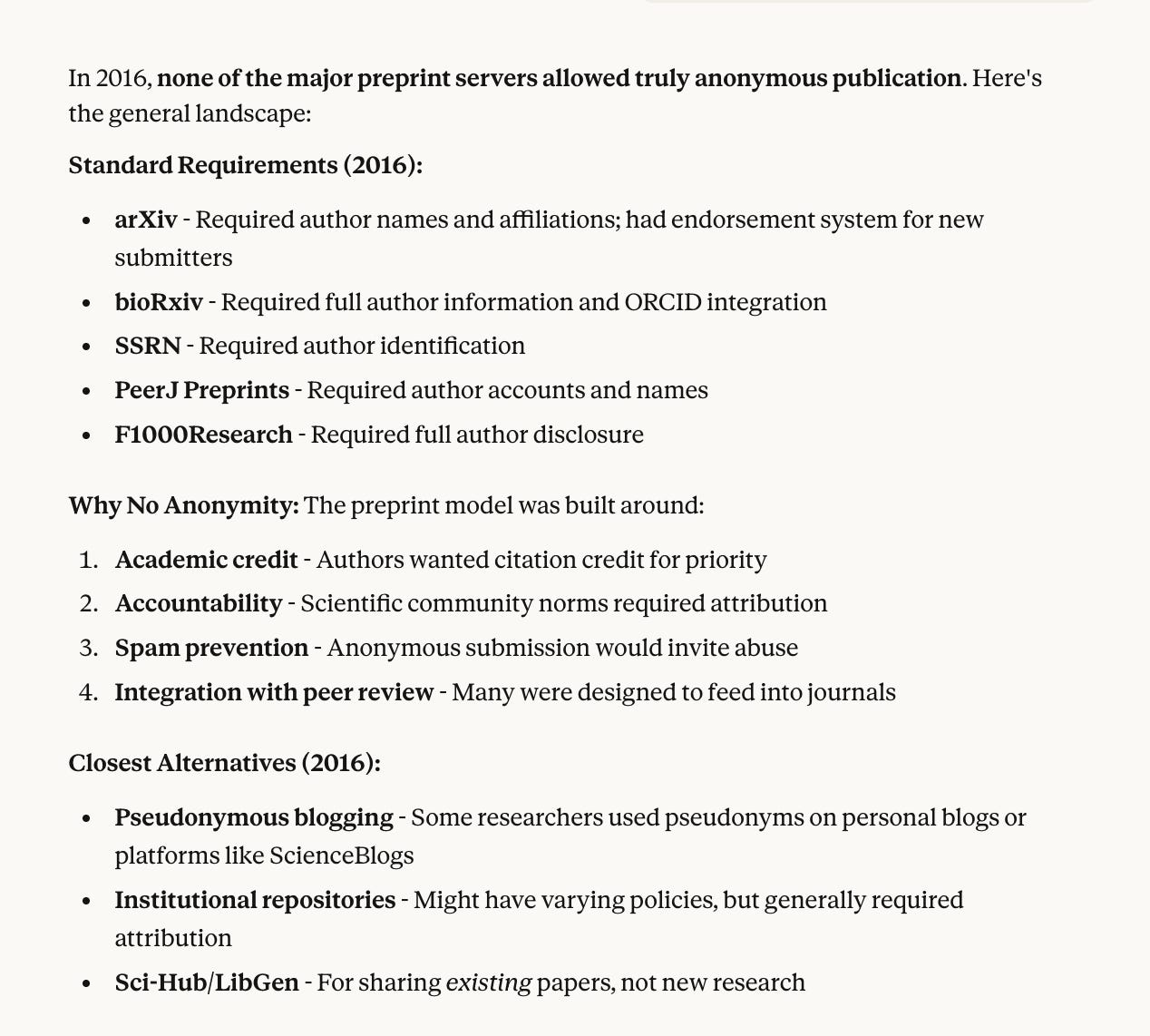
So I looked around for Journals that would take anon data.
Journals- Nope
NCBI- Nope
MAPS- Yes.. but they had no expertise to validate it so No.
PrePrint Servers- Nope
WikiLeaks- Yes.. but they had no expertise to validate it so No.
I turned to various Crypto related projects like IPFS, Alexandria.io and Open Bazaar.
Alexandria went under and I’m not certain it even circulates on Open Bazaar anymore as that site isn’t indexed by google so to the extent it exists there, no one can find it.
In 2019, my father required an new MRI compliant pacemaker for better tracking of the progress of his disease and to manage this surgery we decided to ween him off of cannabinoids for fear of Drug-Drug-Interactions (DDI) with conventional anesthesia.
By this time he had reduced his cannabis oil consumption to a maintenance dose which we were guessing at by judging what ever dose just made his quality of life the best. Use your body as the bioassay for proper dose as we were in uncharted territory.
He made it through the surgery but his nausea and cachexia came screaming back and the hospital had nothing in their repertoire to get it under control. Some angel-like nurses actually listened to us when we told them what actually works. They left the room and turned a blind eye while we gave him the Cannabinoid oils. He walked out of there 40 minutes later, only after the nurses took pictures of the vials we were using. By this time we had migrated to oils from Myriam’s Hope as they had CBG, CBGA, CBDA and CBA oils and we could mimmic the extract I made with commercial oils from QC vendors we trusted. After this weening and reapplication of cannabinoids he never quite felt the same.
At this point we began sequencing his blood stream to monitor circulating tumor DNA to track the BRAF K601E variant in the blood with Foundation Medicine and JHU.
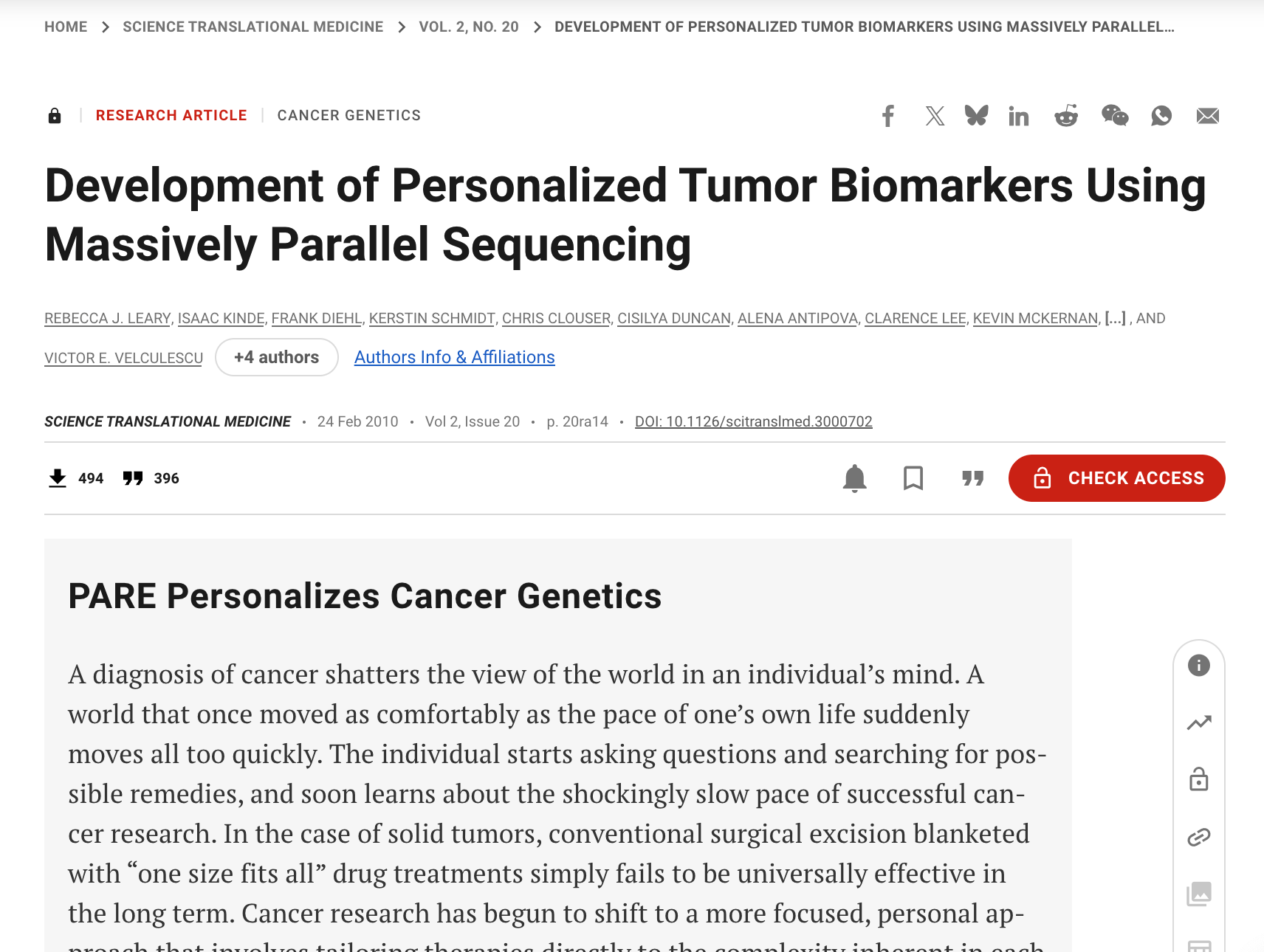
I was familiar with this approach as we took the cover of Science Translational medicine with JHU back in 2010 pioneering the method. 8 years later it was commercial grade.
Throughout this effort, a ctDNA P53 mutation emerged and this put DFCI into high alert who encouraged more aggressive radiation and even experimental PD-L1 inhibitors.
Unfortunately for our father, the clinical trial accidentally injected an undiluted 10X concentration of the drug and his veins/arteries turned into napalm tubes. An absolute torture chamber he never quite recovered from. Soon after this thrombocytopenia set in and more and more desperate radiology was utilized until he eventually succumbed to the disease.
This was just before the C19 pandemic and we are thankful none of this occurred during the pandemic as he would have been left to die alone with this torture.
We were lucky in may regards. With stage 4 prostate and Mets to the bone, our father never needed a Morphine drip or a single opiate. He had 4 years of relatively good lifestyle with cannabinoids and may have lasted longer if we didn’t succumb to the escalating fear campaign over his P53 mutation. I wish we explored IVM, Fenben and other safer drugs before rushing into these experimental immuno therapies as the impact of cannabinoids on these drugs was unknown but we suspect not congruent based on the immuno-modulatory aspects of CBD.
Year Later
Nevertheless, after this episode I was determined to get the Psilocybe genome published properly and resequenced it with PacBio HiFi and Phase Genomics HiC to make a better reference genome and followed that up with 81 more genomes performed on Illumina.
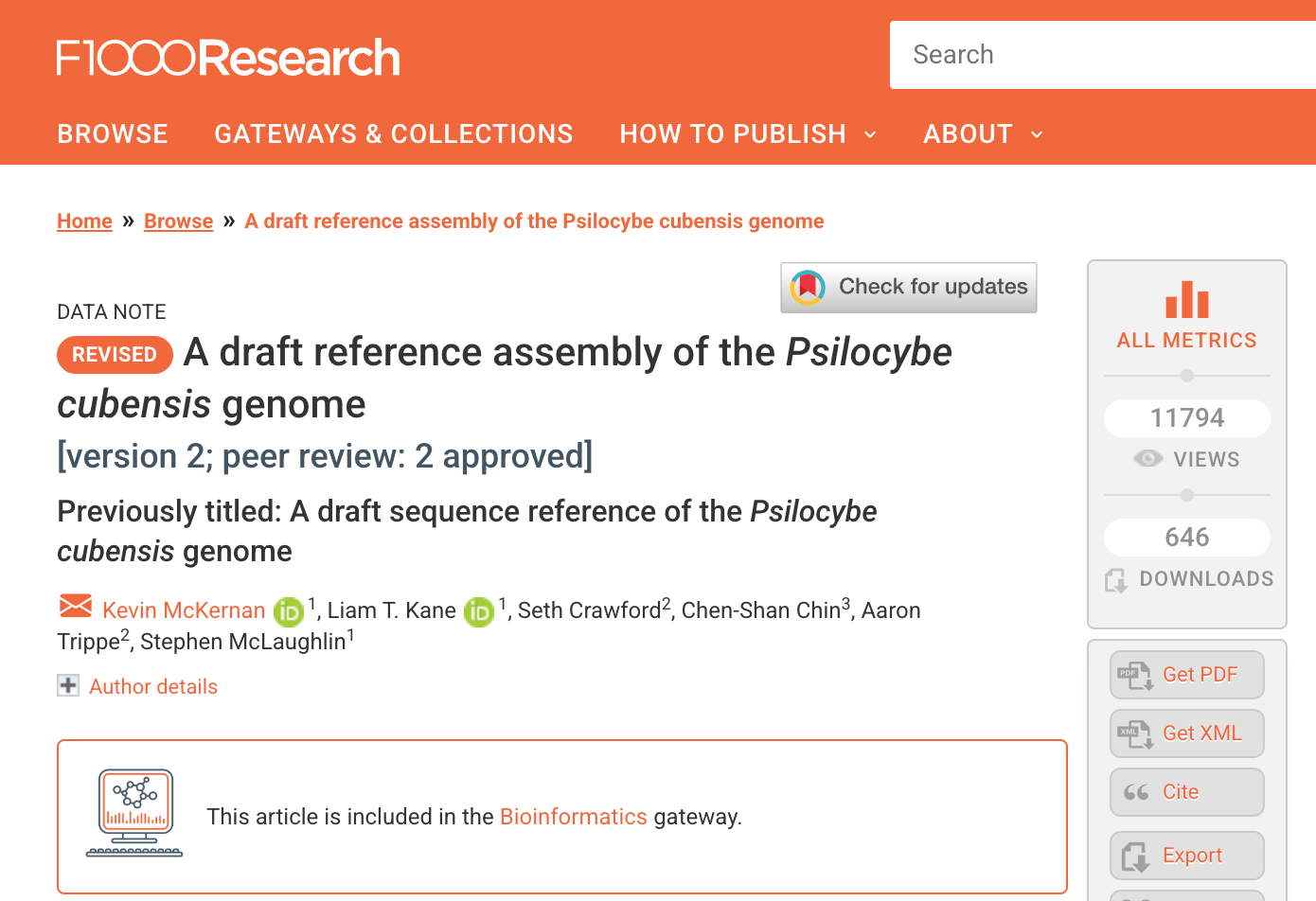
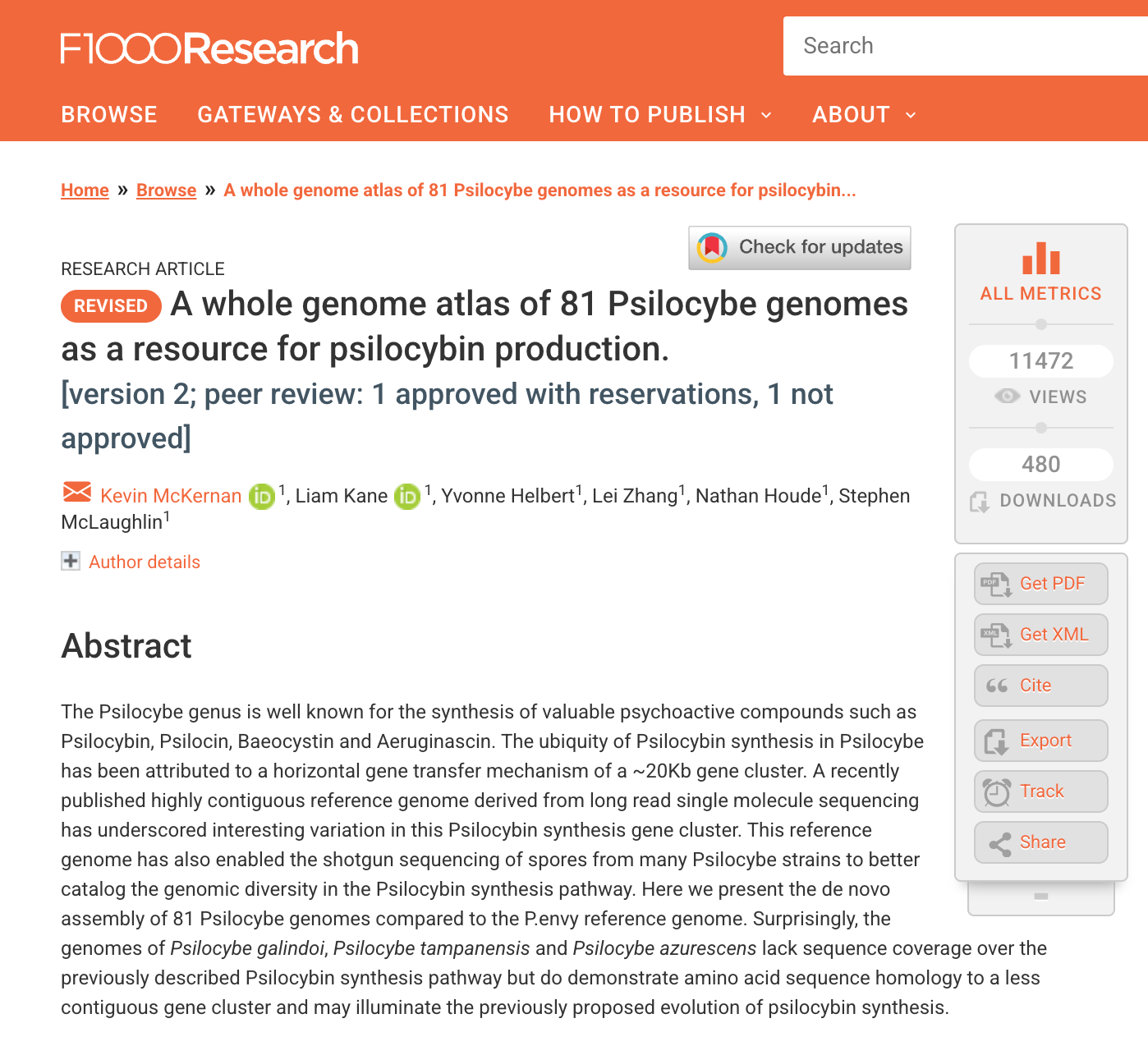
Even in this exercise we faced gatekeeping. The reviewers of the 81 genomes paper had competing papers and behaved like woke children. They tossed sand in the gears of our paper while asking for very particular ITS sequences from us. During this prolonged review they published an ITS Psilocybe paper of their own while they suffocated our paper in the review process. They did not cite our paper in this new publication of theirs and they are on record in the open review asking for these very ITS sequences that could inform their paper.
The peer review process was interesting for this journal as they experimented with having the reviewers put their names on the review but authors were not allowed to contact the reviewers to harass or collude with them outside of the review process.
All of our protest over this academic malfeasance had to be laundered through the Editors who seemed exhausted by the drama. In an act of hilarious karma, a few years pass and the authors reach out to gain access to the sequencing data in the paper they rejected. This opened the door for me to tell them to GFY. They had access from the review and chose to reject the paper. If they believe its valuable, they should un-reject the paper. Otherwise the genome remained public on our website and they were free to download them but we would not be spoon feeding them any additional details.
We documented all of this nonsense below.

When you read through their protests of our paper in the now public reviews, their main critique is that we didn’t get the samples from the approved biobanks and thus the paper was invalid.
We got our samples from the vendors that are selling spores online thus these are the strains being used in the commercial Psilocybe market. The Museum specimens they demanded we use, only they had access to (due to being at an Institution) and no one in the market gives two shits about them as they are historical and not consumed in the market place.
Some of this occurred on the Cannabis genome as well back in 2011. In the US, we would have needed a DEA license and Cannabis from U.Miss to sequence its genome legally. We knew this permission slipping would take years, so instead we set up a BV in Holland and engineered a DNA purification system that could fit in our luggage. We purified the DNA in the Dylan Hotel, Amsterdam and sent that out for sequencing.
Knowing the journals would frown upon this, we just put the sequence public on an Amazon instance on 8.18.2011. We eventually put it all into NCBI.
This is where Institutional bias occurs and you simply need to ask any of the people recently excommunicated from their Institutions over C19 and vax insanity what this does to your publication and scientific career.
Suddenly journals start desk rejecting your work as the authors are not affiliated with an Institution that can slap their hand if they step out of line. Byram, Speicher, Jess Rose can all relate to this.
Unacceptable Jessica Dr. Byram W. Bridle Courageous Truth
Consider how early Unacceptable Jessica was on the myocarditis story and how the Bik mob attacked this work and likely led thousands of more kids to myocarditis slaughter.
This leads us to this fiasco.


Author discovers a cervical cancer risk in HPV vaccines. Has credible threats of harm if he/she publishes with his/her name. To satisfy Journals demands of having a name and institution during submission, he makes one up.
Perhaps not the best plan but the paper turns out to be valid! It was nonetheless, retracted on the basis of his deception to get through the Journal filters.
The Journals will have none of this despite the cancer risk they are burying. This is the largest tell that they are not in the pursuit of truth but in the business of reinforcing the guardrails of their manufactured consent.
In conclusion
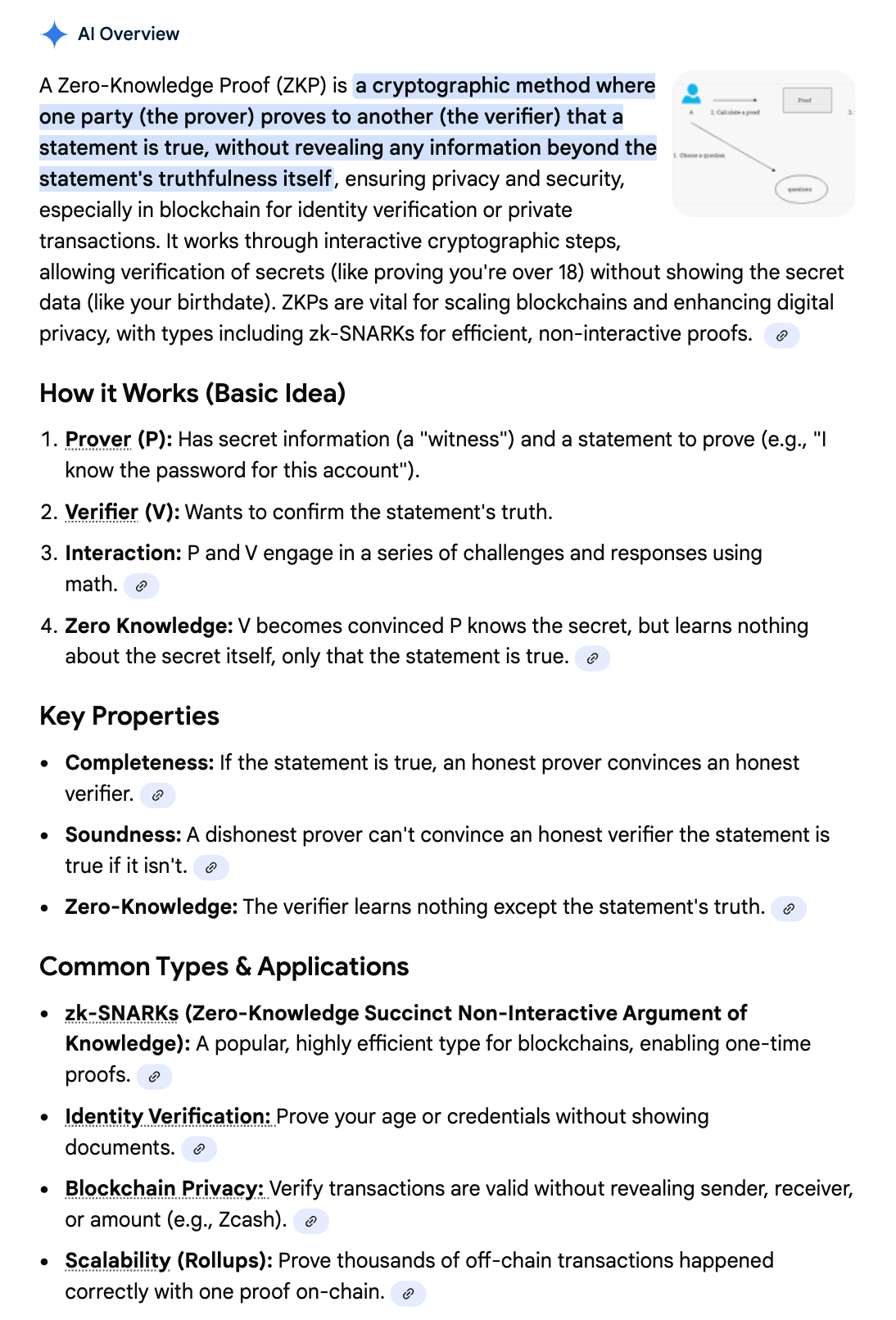
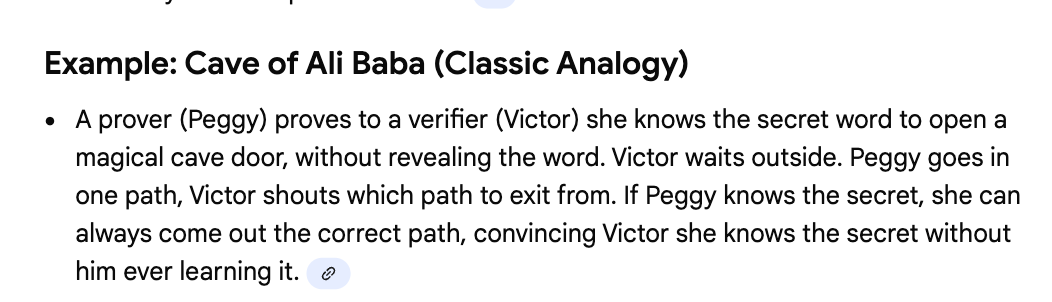
We need methods for Anon Science to emerge and perhaps a zero knowledge proof system that can confirm conflicts of interest without revealing them publicly. If the journals were wise they would embrace this. In any system like this we need an Oracle that can verify the conflicts and maintain the privacy in the process. Likewise, digital signatures can help Anon authors sign their work and build credibility over time and eliminate imposters attempting to hijack unearned reputation. This is something X is not very good at and platforms like Nostr that sign every post with user keys are far more credible for Anon content. There is no gatekeeping on Nostr. Anyone can publish. Your Institution is irrelevant but people can verify that the Anon account isn’t an imposter with a modified version of the data.
Everything else the Journals do, would be better done without them in the picture. All of the tools are available for Peer to Peer review and journal disintermediation when authors names are publicly known. The one place a 3rd party might play a role in the future is conflict checking anon work and resting their Oracles reputation on how well the work checks out later.
So the argument isn’t Anon good or Anon bad. It is about how do you build a credit system with conflict of interest inspection/veracity while avoiding sybil attacks when these aspects are needed for controversial science.
Immortalization of data on Bitcoin and Nostr is equally important as we are going to find people use AI to modify papers, circulate spoofed versions, and it will be unknown to the reader unless they have a hash of the file on an immortalized ledger.
Zero Knowledge Proof descriptions below.
Born in 1959, raised in a predictable world with Flower Power, the Rolling Stones, Led Zeppelin, Supertramp, Queen, Miles Davis ( ! ), Aldi Miola - John McLaughlin - Pacco de Lucia (Friday Night in San Francisco), Genesis, etc., I am now moved by only one urgent question:
What have you assholes (Palantir & friends) done to this beautiful world since the homemade 9/11 and this man-made biological weapon “Covid19”?
Slowly but surely, I am overcome with a longing to leave this corrupt world for another, better sphere, in order to finally find peace of mind.
Thank you Kevin for your efforts to write this large post. I appreciate it very much.
Wonderful read.